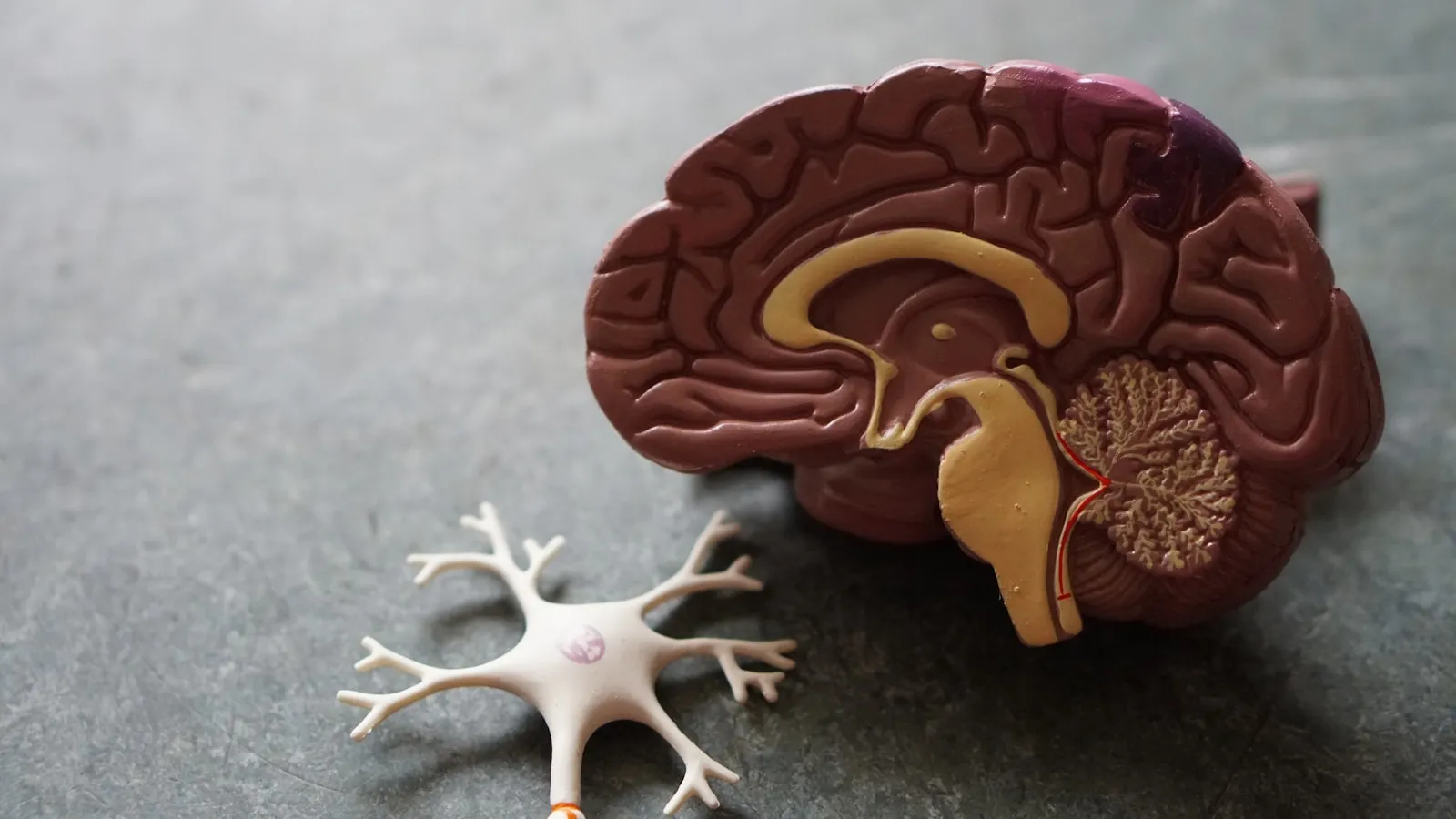

The human brain contains roughly 86 billion neurons, and for most of neuroscience’s history, that figure was about as precise as things got. Cells were sorted into broad families — excitatory, inhibitory, glial — and researchers worked within those rough categories. A new atlas, assembled by a consortium of more than 250 scientists, has changed the resolution of that picture entirely.
The project catalogued over 3,000 distinct cell types across the entire human brain, using a combination of single-cell RNA sequencing, spatial transcriptomics, and electron microscopy at a scale that was not possible five years ago. Each cell type has a molecular signature as distinct as a fingerprint, and the atlas now maps where each one lives, what it connects to, and what genes it expresses under different conditions.
What the atlas reveals
Several findings have already unsettled assumptions that had held for decades. A class of inhibitory neurons previously thought to be uniform turns out to be at least forty separate types, each with distinct connectivity patterns. The boundary between cortical regions — long treated as sharp anatomical lines — dissolves at the cellular level into gradients and interdigitations that vary between individuals.
The implications for disease research are immediate. Many of the genetic variants associated with schizophrenia, autism, and depression had no obvious cellular home. The atlas now places them: specific variants cluster in specific cell types, in specific layers, in specific regions. That is not a cure, but it is a map — and maps are where medicine begins.
The road to a complete connectome
The atlas describes cell types, not connections. The next project, already underway, will trace the wiring between them — a complete connectome for a small patch of human cortex. The data volume involved is staggering: a cubic millimeter of brain tissue, imaged at nanometer resolution, generates roughly a petabyte of raw data.
Whether a full human connectome is achievable in a human lifetime remains an open question. What is no longer in question is the cellular vocabulary. The brain now has a parts list. What researchers do with it will define the next generation of neuroscience.